Inuvik to Ushuaia

Leaving Mexico and entering Guatemala.


New friends along the way
Originally uploaded by refay
It was our last day in Mexico. We had spent a lovely afternoon swimming in the aqua colored water of this very quaint lake in the lowlands of Chiapas, Mexico. We set up our tent not ten feet from the waters edge and cooked our beans and ramen noodles. As I fell asleep with the sounds of the jungle all around, I thought about what the next day would bring. We where going to enter into Guatemala, our first country in Central America.

I had heard so many different stories about this country, I did not know what to expect. Would the border crossing be dangerous, with hordes of kids overwhelming us and perhaps slashing our pannier? Would the border immigration officials try to charge us horrendous fees? Would the money changers rip us off? As we rode the hot flat road toward the border, my stomach had a twisted knot and my head hurt. What would happen to us?
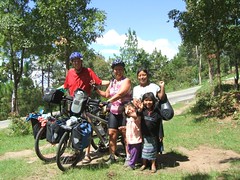
Read more · Lee más : Leaving Mexico and entering Guatemala.
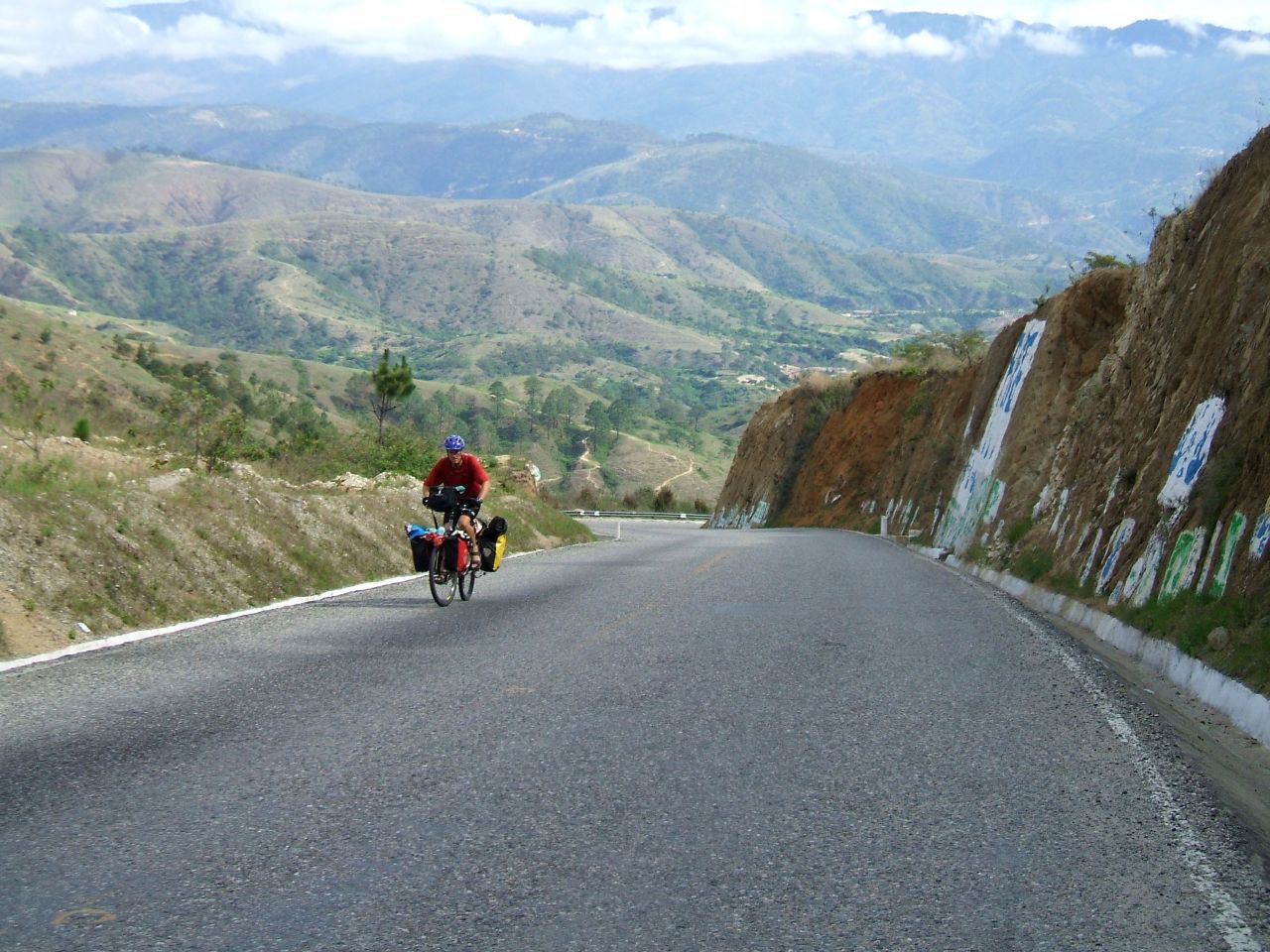
Riding the Guatemala Highlands

We didn't really know what we were getting into when we heard about the beautiful new road that runs east from Huehuetenango (Way-Way-tenango) - everybody said it had just opened and was a great new road. But it sounded like low traffic and a good road, so we took it. It was probably some of the best riding we've had on the trip. Almost no traffic, beautiful road surface, and sometimes even and shoulder!

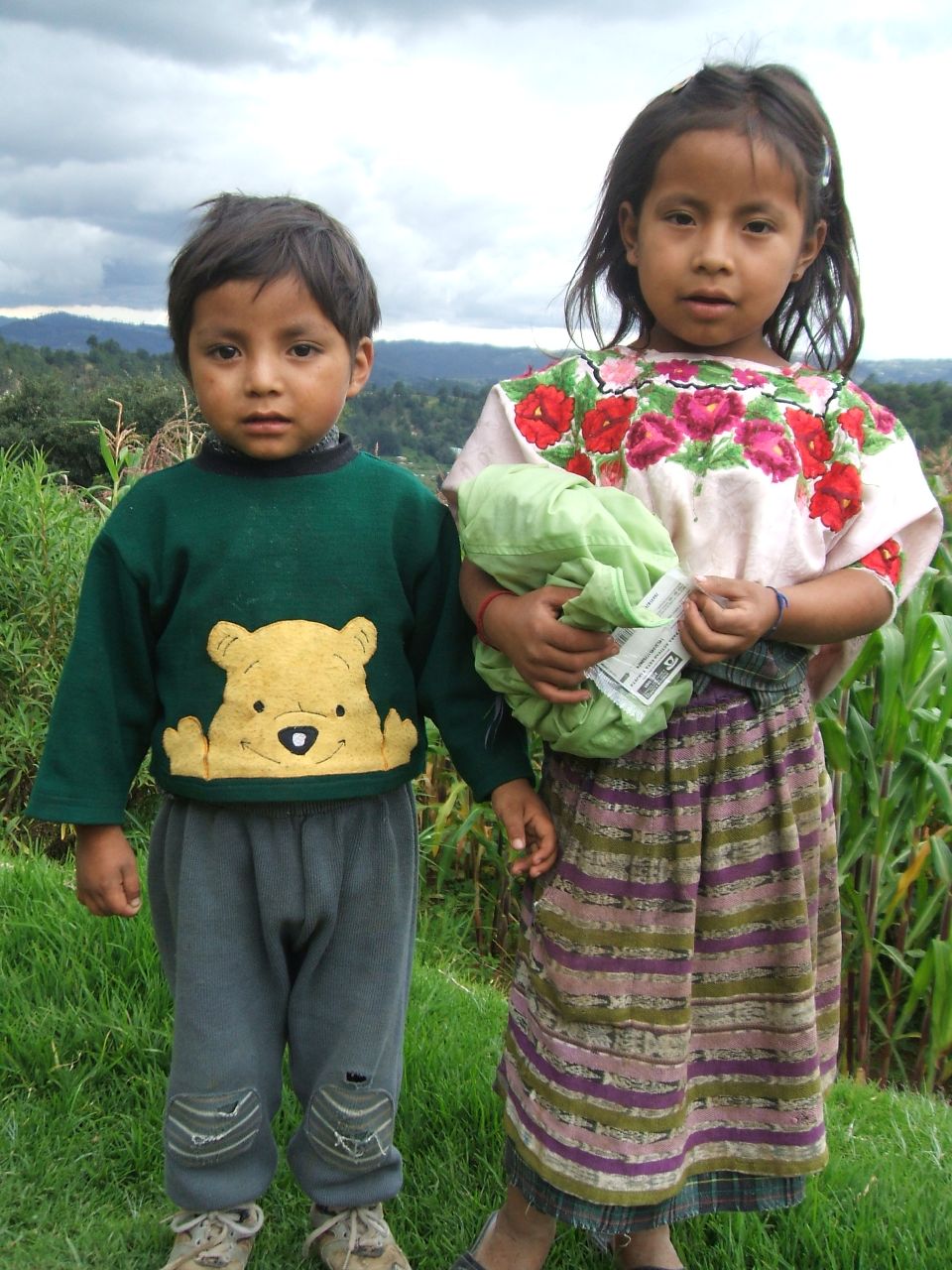
It's all huge, brutal, beautiful green mountains. We've never seen so much green. The landscape looks like a quilt because of the efficient agricultural use of this land. In every village and along every road we meet colorful indigenous people who smile and say hi or call out to us, impressed by our trip. Often we hear someone yelling out "bye-bye" in English or the young children come running out of their house, waving and in unison cryout "Gringo Gringo". Nancy usually responds with Ninos! Ninos! (children, children) and gives a hearthy wave back.

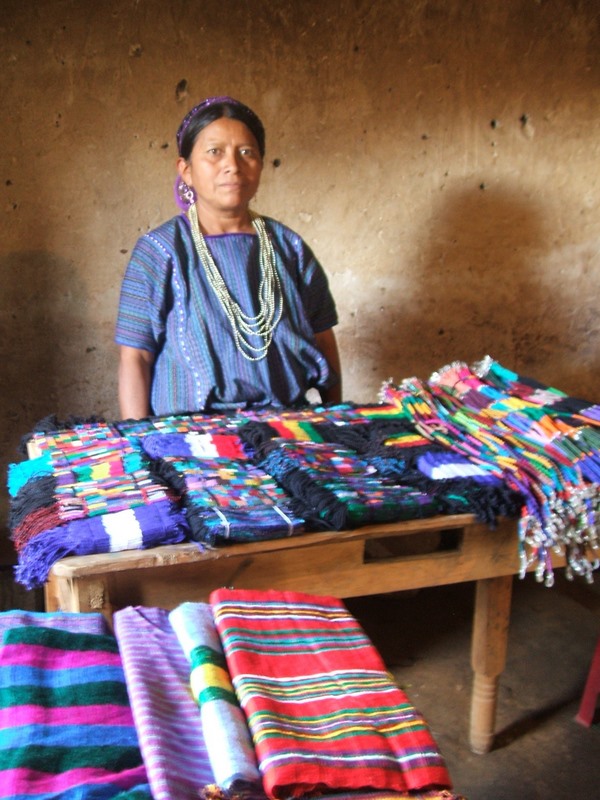
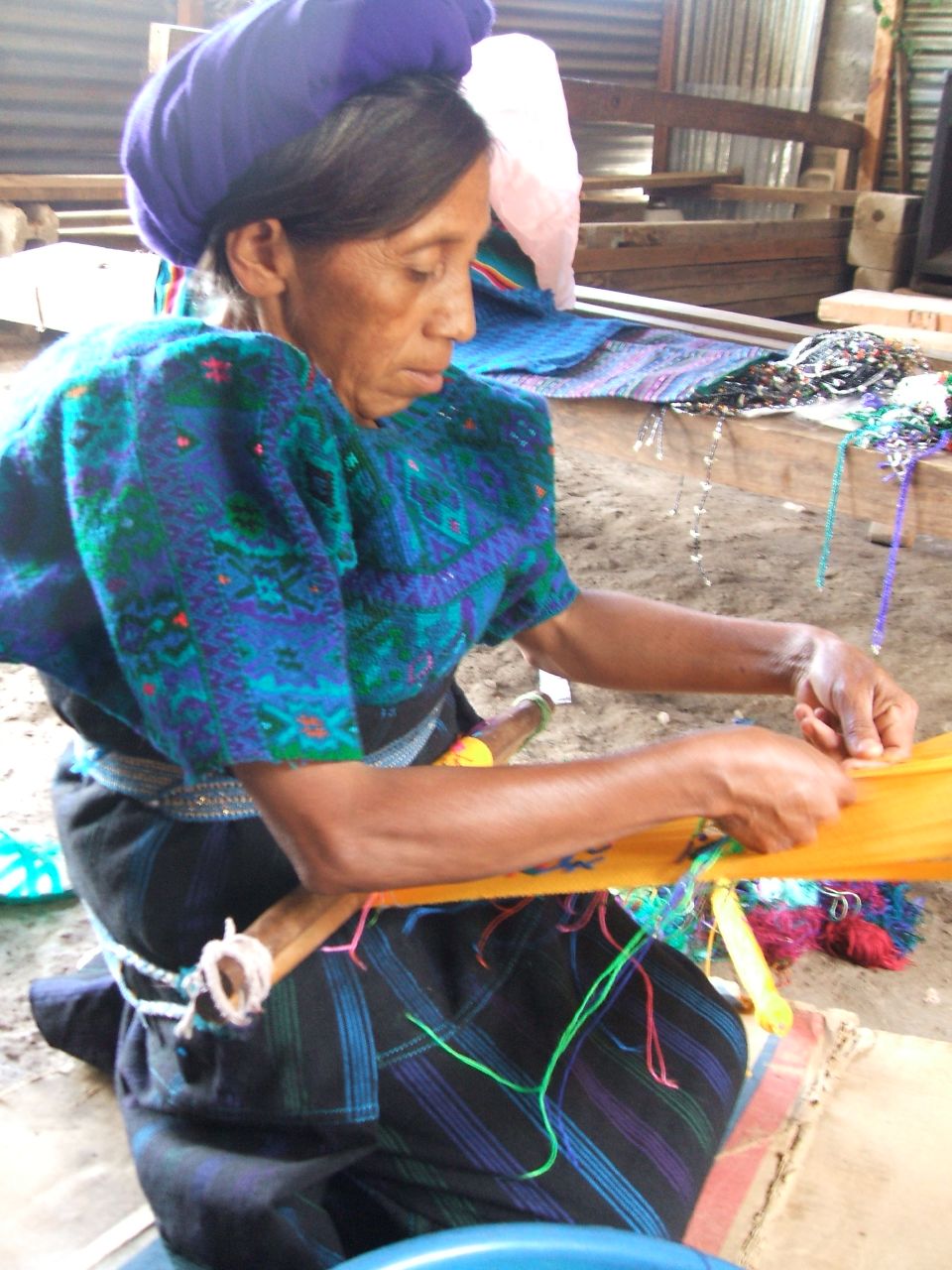
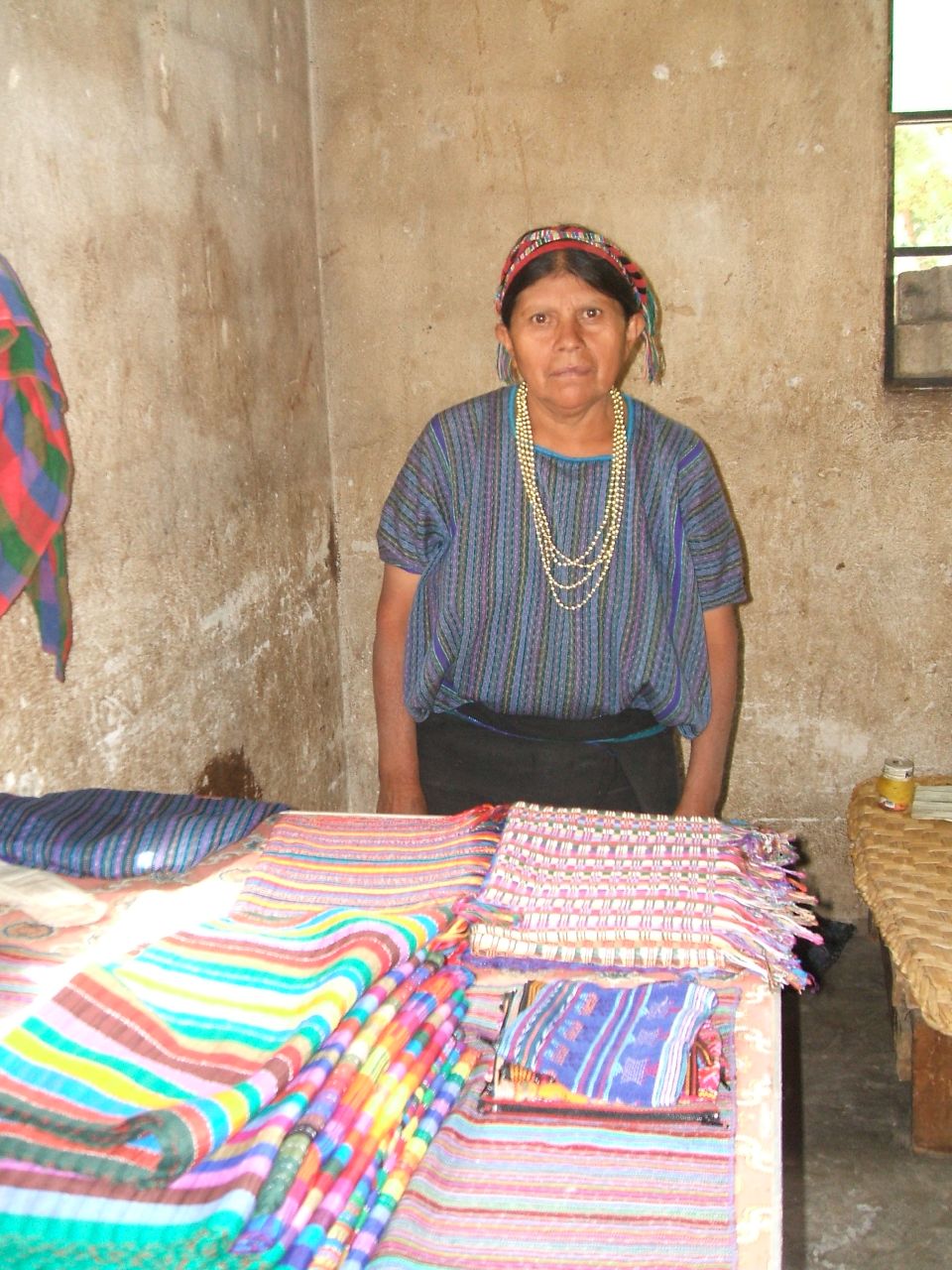
In every village the people have a different "tipica" outfit, and the women's outfits are just absolutely gorgeous. I don't know what it would be like to live in a village where all the women wore the same dress every day, but the dresses they wear are beautiful. And each one tells a specific story; the women weave their own "huipiles", and it often requires three months of near-full-time effort to weave one. Read more · Lee más : Riding the Guatemala Highlands

Volunteering for Kiva.org - A Major Change of Pace!

One of the goals of our trip (and one reason we are taking 3 years instead of the more normal 18 months) is that we want to be able to volunteer and study along the way. Well, now is the time for our first volunteer stint! We are so excited to be able to volunteer for Kiva.org here in Guatemala.

As we were riding through Mexico, we were really impacted by the poverty we saw, and became tremendously interested in the concept of microfinance, the practice of offering small loans ($100-$1000, usually), without requiring collateral, to tiny businesses. It turns out that last year's Nobel Peace Price winner, Mohammed Yunus, is the originator of the concept, and his book "Banker to the Poor" is tremendously inspiring. What they did with tiny, collateral-free loans in Bangladesh is the most hopeful story about alleviating poverty that I've ever heard in my life.

Read more · Lee más : Volunteering for Kiva.org - A Major Change of Pace!

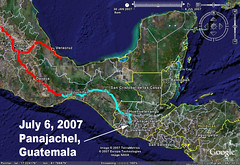
Where We Are - Early July 2007

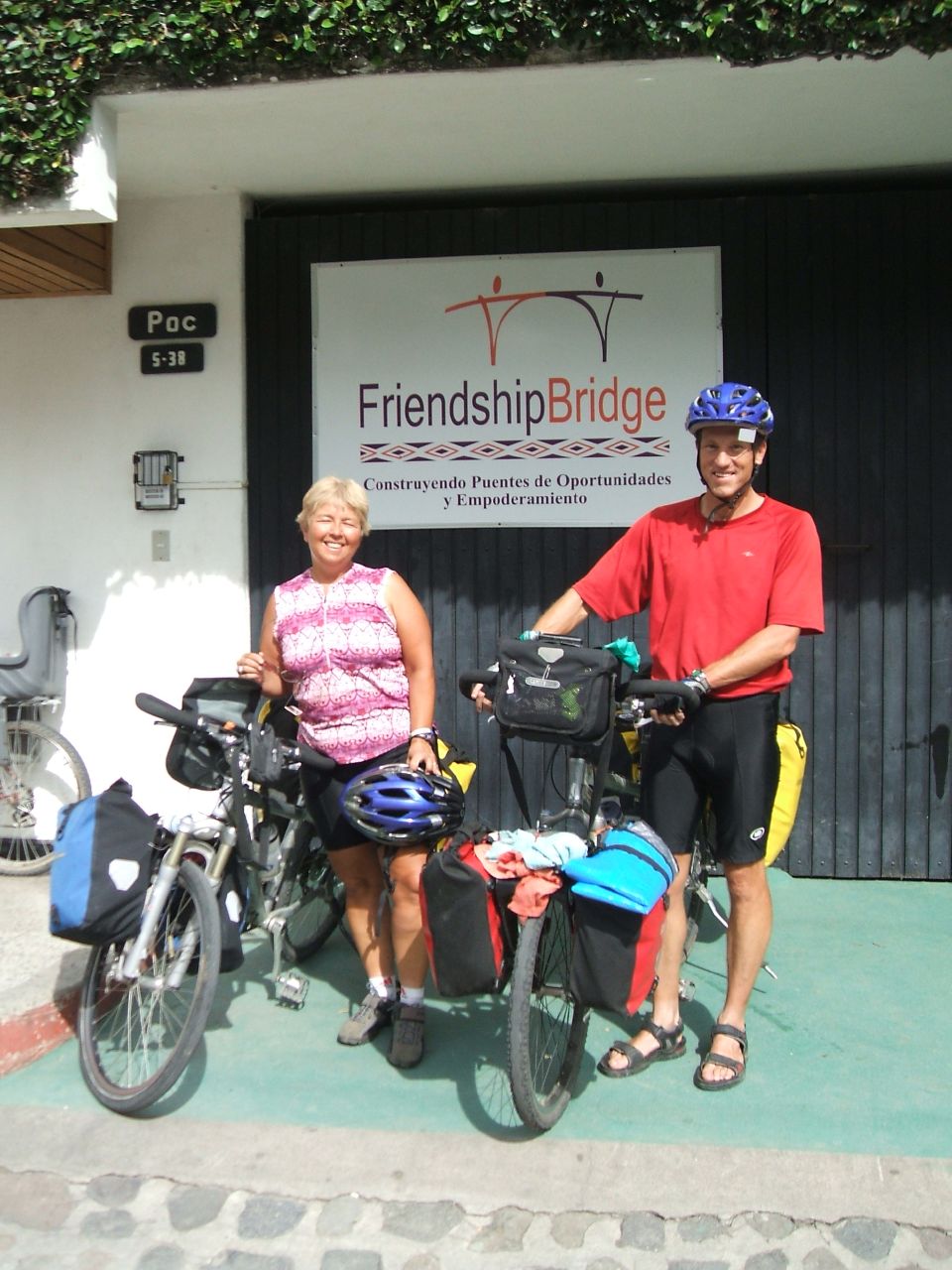
Today we're in Panajachel, Guatemala, one of the most beautiful places we've ever been. And we've been a to a lot of beautiful places on this trip! It's right on a glorious calm blue mountain lake presided over by towering volcanoes. As you can read elsewhere, we're going to be here in Guatemala for a month or two or more helping Friendship Bridge post profiles to Kiva.org. We plan to be riding our bikes all over western Guatemala to the various Friendship Bridge branches and meeting people in the villages.

In the past month we rode from the southern part of Oaxaca, Mexico along the Pacific coast for a few days, then up a huge climb into the mountains of Chiapas. Nancy liked the climate so much when we got up into the mountains that we stayed for two weeks and she studied Spanish. When we got going again, it was just a few days into Guatemala and then a glorious week or so exploring the green, mountainous western highlands of Guatemala.

Read more · Lee más : Where We Are - Early July 2007

Nancy's Second Day of Interviews

Wednesday I headed up to San Antonio, Solola, Guatemala. It was the second day of volunteer work for Friendship Bridge and Kiva.org. My job was to interview four women and write about them and take photos which will be posted on the Kiva site so that people in the rich part of the world can make small loans to them via the Internet.

Patti (the Friendship facilitator) and I hopped into the taxi (really the back of a pickup). We snaked our way along the shore and up the side of a mountain -- the view was incredible. As I looked across the emerald lake toward the towering volcanoes, I wondered how such a beautiful place could house such incredible poverty.

All day I sat with the Mayan women in their homes, business and community center learning about their struggles, victories and dreams.

These people had been living in a war-torn area for twenty years only to be further pummeled by the incredible natural disaster Hurricane Stan in 2005. The torrential rains as a result of the hurricane washed away many communities. Whole neighborhoods no longer exist because of the mudslides that swallowed up the land the neighborhood sat on and with it thousands of people. It threw these people further into grave poverty.

Read more · Lee más : Nancy's Second Day of Interviews

The ride to Xela (Quetzaltenango)

We just climbed 7000 ft (2000 meters) in 65 kilometers (40 miles) The land goes straight up into the heavens and is covered with rich jungle vegetation. The tops of ridge often end up being volcanoes with smoking plumes or rainforest clouds wrapped around the top of the cone. Wow! We even had a police escort through the back roads of Guatemala and through a remote canyon, in an area that supposedly had an assault recently. At the end of the day we rolled into a village which has never seen gringo cycle tourists coming into their village. Everyone stopped whatever they where doing and stared at us. After we went to several places to ask for a hotel or something (there was none) for the evening, a young lady asked if we wanted to come home with her. Her family adopted us for the night and we celebrated the dad´s 53rd birthday. The girl, Raisa is 15 years old and is learning English in high school and wanted to take us home so she can practice English. We were honored to meet her and her wonderful family

What we're doing in our daily work

As you know, we're spending some time in Guatemala as "Kiva Fellows", working with the excellent Microcredit organization Friendship Bridge. Here's what we've been doing so far.

During the week, we go to a village every morning and meet with one of the women who are the workhorses of Friendship Bridge, the "facilitators". These are the women who form the credit groups and know all of FB's clients. The facilitator will take us to one of more of the clients' homes and may stay with us or may deliver us over to the women. We then sit down and chat with as many as six or seven families, one at a time, about their business, their life, and what they're doing with their loan.

Read more · Lee más : What we're doing in our daily work

What is Microfinance Anyway?

We should probably say something about what this "Microfinance" or "Microcredit" thing is that we're working in with Friendship Bridge and Kiva.org.

The amazing man who won last year's (2006) Nobel Peace Prize pioneered the use of tiny loans without a requirement for collateral or security to poor people. Mohammed Yunus maintains with great success that if you just give poor people access to capital, they can make their own way in the world with their own businesses. His book, Banker to the Poor, is worth every minute of the time you take to read it - it's in every library and every bookstore and here on Amazon.com. It's the most hopeful book about poverty in the world that you will ever read. Yunus, with 25 years of experience in this, maintains that poor people pay off their loans at a much higher rate than the rich ones, and that simply providing capital in amounts like $100-$500 can transform the life of the poor by enabling them to start their own tiny businesses.

Read more · Lee más : What is Microfinance Anyway?

Women We've Met Recently

We've met a wide variety of women in the last couple of weeks, from Mayan women who speak no Spanish at all and who try to scrape together a living with some weaving and a pig, to fairly ordinary poor urban women who remind us a little more of home, except that to them $15 is what you have to come up with every month for the kid's school payment.

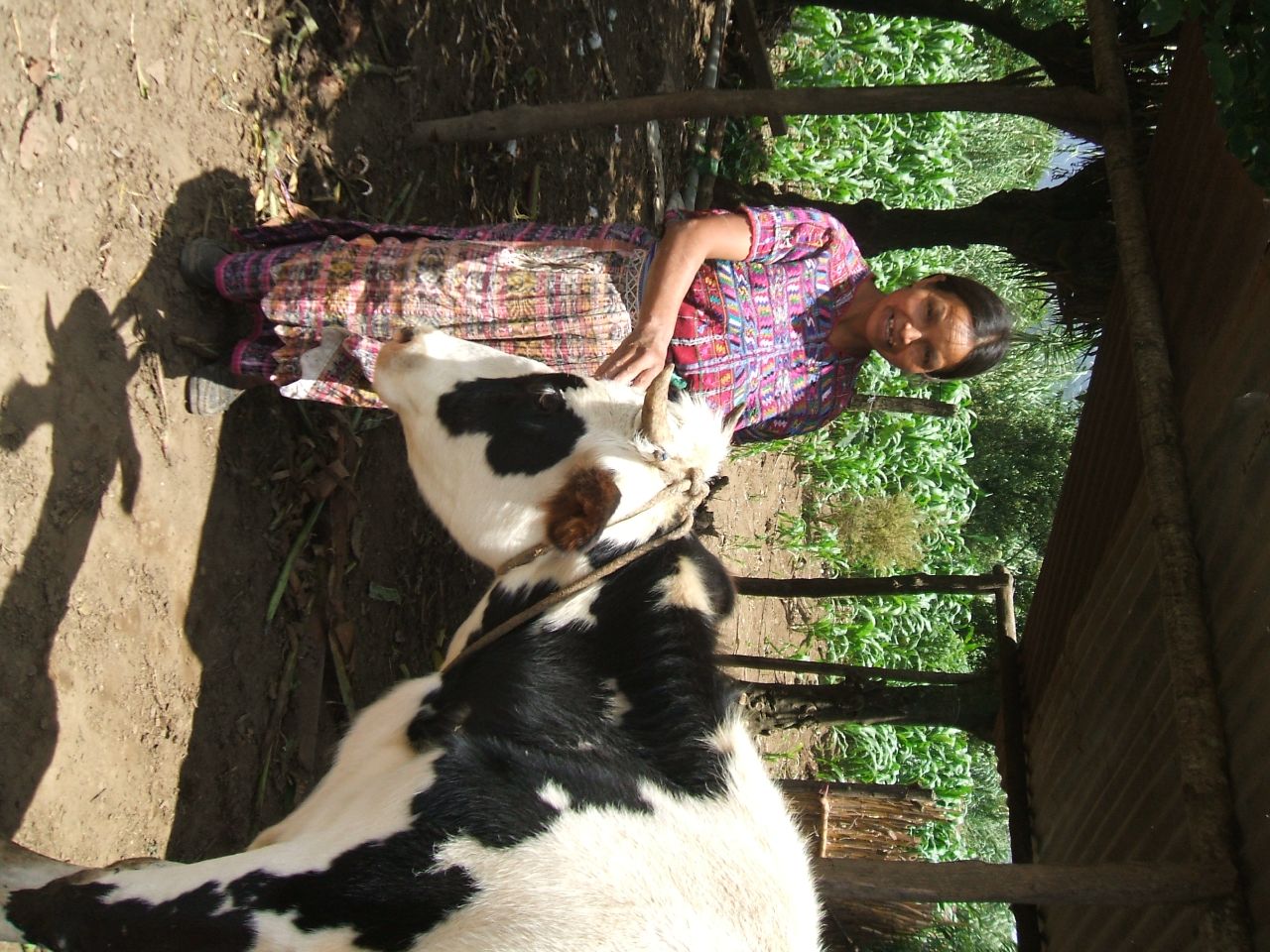
Last week Nancy met Clara Ajsoc in the highland village of Santa Clara La Laguna. Clara used her Friendship Bridge loan to buy a calf, which she raised, only to lose it to a sudden illness, leaving a young calf behind. But she bottlefed that one and raised it up successfully, and she now sells milk and cheese, where she had no livelihood before. And she wants to get another calf.

In San Antonio La Laguna, Nancy met Catarina Cox Perez, who lost her house to Hurricane Stan in October, 2005. She has been patching it back together bit by bit, but she lives in a really bad piece of broken house with no real windows, and she has to pile rocks up in the broken windowframes for a little privacy. But Catarina's big goal with her next loan is to buy and raise 24 chicks. More power to her. There's the great power of microfinance.

Read more · Lee más : Women We've Met Recently

Women we visited in La Estancia de la Cruz

Berta in La Estancia

The women we visited Tuesday in La Estancia de la Cruz have been working in the fields all their lives and they know no other way to make a living. As young children they did not go to school because they needed to help the family in the fields. The land here is very rich because the volcanic soil and the 6 months of rain.

None of the women we met with today own their own land. They rent a plot and also work for someone else. With the help from Friendship Bridge, the women are able to rent a 40'x40' plot and grow their own flowers and vegetables. They have a chance to dream and maybe educate their children if there is enough money to buy shoes, paper, pencils and needed supplies. Currently some families do not send their children to school either because they need the help in the field or they just do not have the money to send the children to school.

The month of July is known as the hunger time because the food they had stocked piles are nearly depleted The growing season is February to August and they corn is not ready to harvest.

After interviewing the women, writing their individual stories and taking wonderful photographs of the women in their traditional colorful Mayan clothing, we got ready to leave. Read more · Lee más : Women we visited in La Estancia de la Cruz